Services — Beaver Coexistence

Living with Ecosystem Engineers
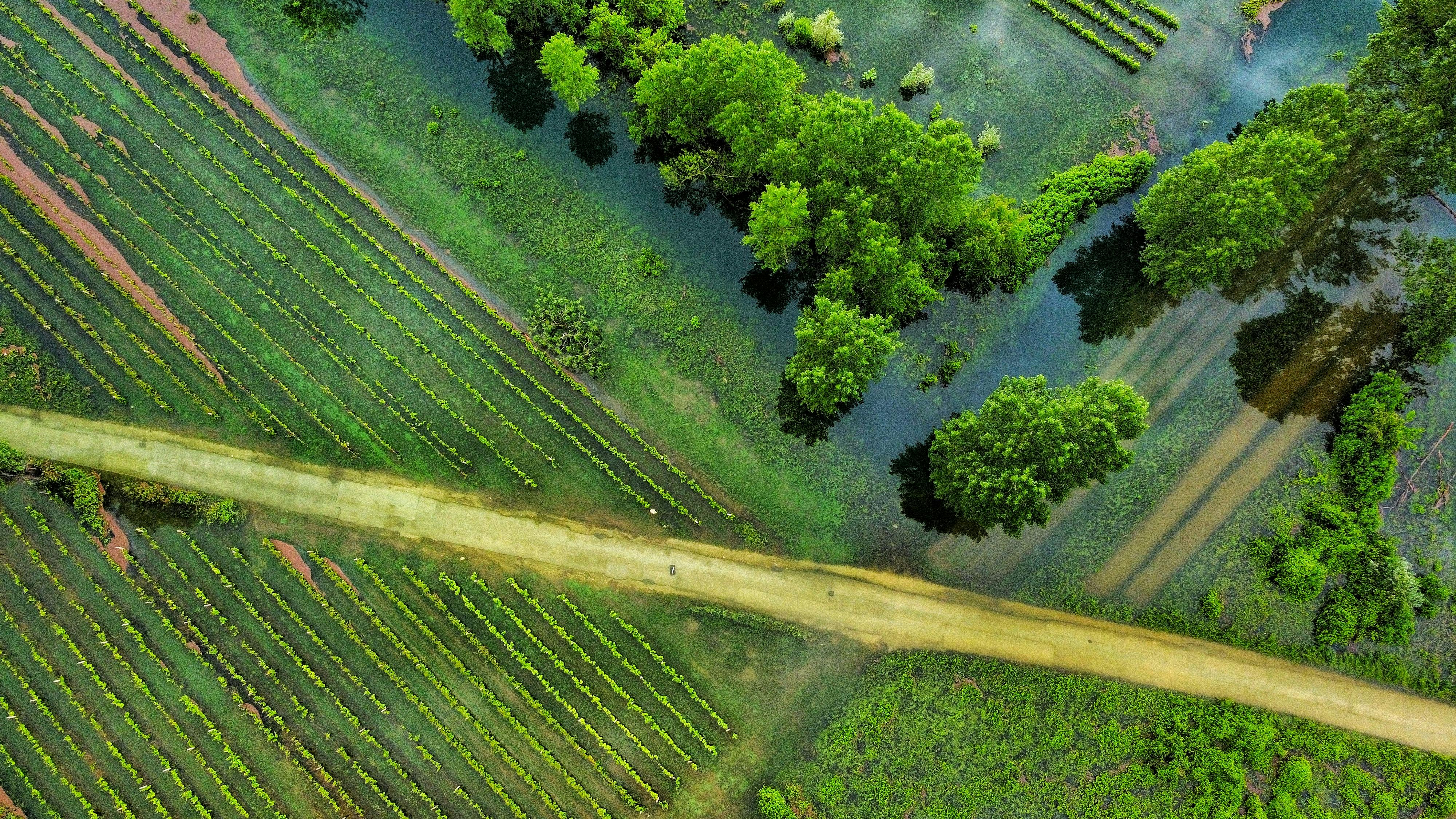
Flooded farm fields and trees

Photo: Sasa Peterkovic

If beavers are flooding your property, blocking a culvert, or felling trees — we can help find a non-lethal solution that keeps them on the land. A remote assessment is the fastest way to get expert eyes on your situation: no site visit required to start. We'll evaluate what's happening, walk you through your options, and help you find a path forward.

Finding solutions that work for both beaver and human land needs — keeping beavers on the landscape as the keystone species they are, through flow devices, site modifications, and thoughtful stewardship strategies. Our work is led by a Beaver Institute BeaverCorps Professional.

Schedule Remote Assessment

Financial assistance for coexistence solutions is available for qualified California landowners — submit a request through the Beaver Help Desk.
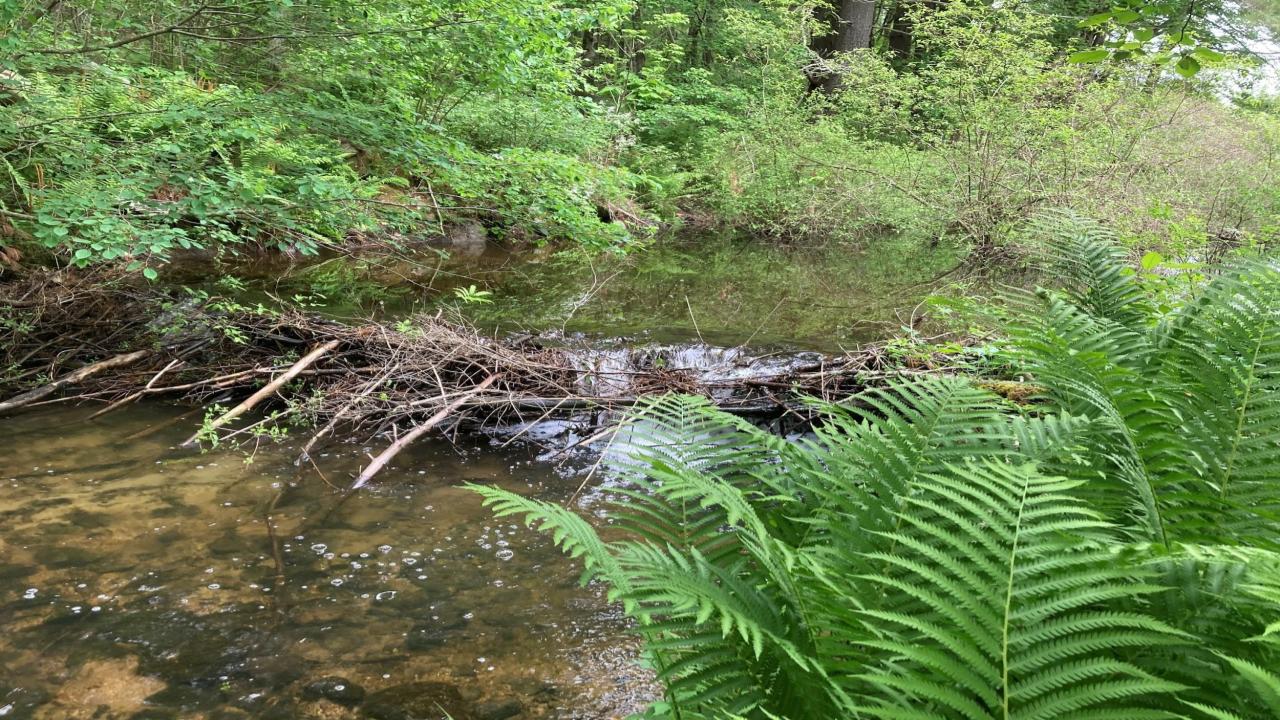
Healthy beaver ecosystem with wetland habitat

Photo: The Beaver Institute™

Ecology

Why Beavers Belong on the Land

  • Slow water flow and reduce large-scale flood risk through their structures and the vegetation they encourage, which absorbs energy from moving water
  • Reduce sediment transport and improve water quality — clarity and contamination both — which is critical to healthy salmon habitat
  • Create and maintain biodiverse wetland areas that support a wide range of plant and animal species
  • Raise the water table and extend the flow of ephemeral streams, reducing the landscape's vulnerability to drought

Behavior

Why Beavers Do What They Do

  • They're building a home — seeking access to food and material for a lodge that protects them from predators
  • They need a pond deep enough to dive into to evade predators, which drives dam construction
  • They expand the pond over time to access more food and building material from further afield
  • Ponds also make it easier to transport woody material, since logs and branches float

Techniques

What Coexistence Looks Like

Pond leveler installation

Pond Leveler

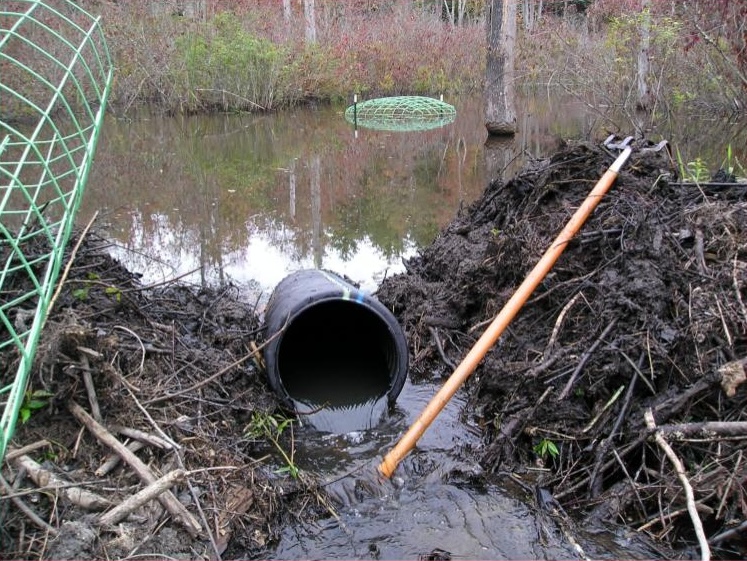
A pipe system installed through a dam that manages pond water level, preventing it from rising above a set point under normal conditions — allowing beavers to remain while protecting infrastructure and land.

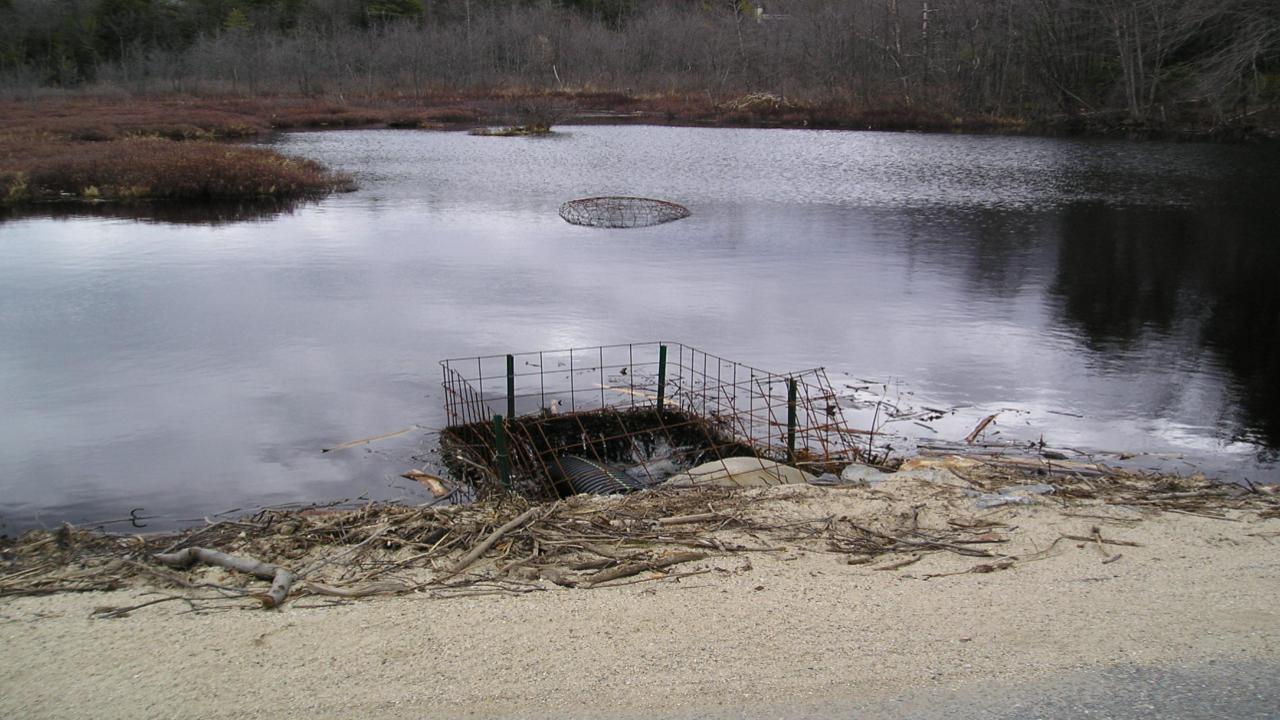
Culvert fence and pipe installation

Pipe and Fence

Protective fencing installed around culverts or sensitive water crossings, paired with a flow pipe that maintains water passage while preventing beavers from damming at that location.

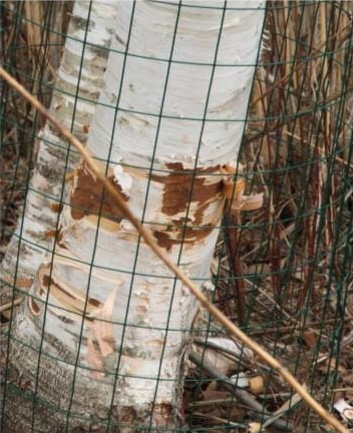
Tree fencing to protect from beaver damage

Tree Fencing

A simple, direct solution to protect individual trees a landowner needs to preserve — wire mesh wrapped around trunks prevents beaver access without displacing the animals from the site.

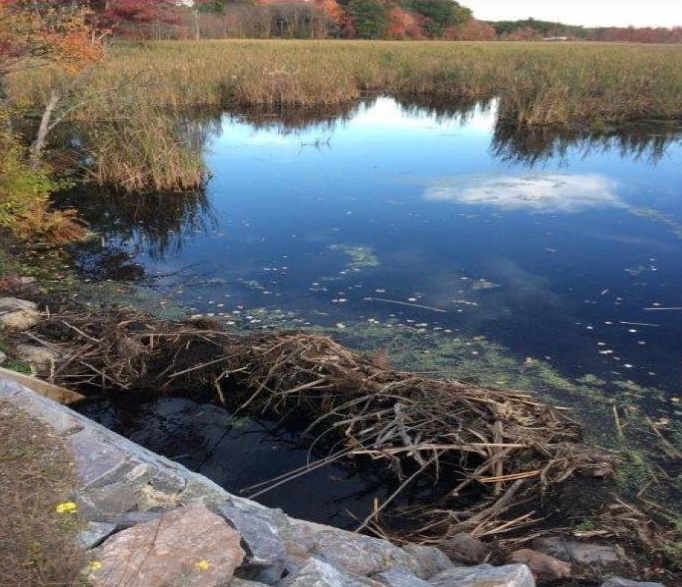
Starter decoy dam structure

Decoy Dam

A pre-built structure placed to attract beaver dam-building activity away from problem areas, redirecting natural behavior toward locations where it causes no conflict.

Photos: The Beaver Institute™

A lasting solution, not a recurring one

Lethal removal and trapping may feel like a faster fix, but beavers will recolonize suitable habitat — often within a year. The same conflict returns, at the same cost. Coexistence infrastructure addresses the underlying conditions rather than displacing individual animals, making it less expensive over time and breaking the cycle of repeated removal.

How It Works

The Process

  1. 1
    Remote assessment We start by understanding your situation — the beaver activity, what's being affected, and what a good outcome looks like for you. From there we can evaluate remotely whether a site visit makes sense.

    Eligible California landowners may receive up to 50% cost-share on project costs, with the site assessment fully covered — submit a request through the California Beaver Help Desk.
  2. 2
    Site assessment An in-person visit to assess beaver activity, infrastructure concerns, and what solutions make sense for the specific site — collecting data and photos to aid in designing the right solution.
  3. 3
    Design proposal & quote A written proposal outlining recommended interventions, scope, and cost.
  4. 4
    Permits and notice to proceed We handle the permitting process and coordinate with CDFW to obtain the notice to proceed before any work begins.
  5. 5
    Installation Flow devices, fencing, or other agreed solutions are installed on site.
  6. 6
    Payment Payment for the agreed upon services is due following installation.
  7. 7
    Monitoring and maintenance Follow-up visits to ensure devices are functioning, adjust as needed, and confirm coexistence is holding.

Have a beaver situation on your land?

Start with the California Beaver Help Desk — it's the gateway to the state program and the financial assistance that may cover your site assessment and a share of total project costs.

Submit a Support Request